 Skip to content
For many homeowners, there comes a point when a once-perfect home begins to feel too small. A growing family, changing lifestyle needs, remote work requirements, or simply the desire for additional comfort can leave people wondering whether they should expand their existing residence or search for a new one. While both options offer advantages, the financial implications are often far more complex than they initially appear. This leads many property owners to ask an important question: Room Addition vs Moving: Which Makes More Financial Sense? For homeowners evaluating their next step, understanding the financial impact of both options is essential before making a decision.
The answer depends on several factors, including local housing market conditions, construction costs, mortgage rates, relocation expenses, and long-term property goals. While moving may seem like the easiest solution, the costs associated with buying and selling real estate can quickly add up. On the other hand, a room addition requires a significant investment upfront but may provide long-term value that extends beyond additional square footage. Understanding the true costs of each option can help homeowners make a more informed decision.
In Washington State, many families are choosing to remain in neighborhoods they already love rather than navigating the uncertainty of today’s housing market. Communities develop emotional value over time through schools, friendships, daily routines, and proximity to work or family members. As a result, homeowners are increasingly exploring ways to adapt their existing properties rather than starting over elsewhere. A well-designed room addition can provide the flexibility needed without sacrificing the familiarity of an established location.
At Central Point Homes, homeowners regularly seek guidance on whether expanding their current home is a smarter investment than purchasing a larger property. Through custom additions, renovations, and home expansion projects, the company helps families evaluate their options and create practical solutions tailored to their needs. In this guide, we will compare the financial realities of moving versus building an addition so homeowners can determine which path makes the most sense for their situation.
Why Homeowners Reach This Crossroads
Most homeowners do not begin their homeownership journey expecting to outgrow their property. However, life changes frequently bring new space requirements that were impossible to predict years earlier. Families may welcome children, aging parents might move in, or homeowners may transition to working remotely full-time. What once felt spacious can suddenly become restrictive, creating daily frustrations that affect comfort and functionality.
For some households, the issue is not necessarily a lack of square footage but rather how the existing layout serves current needs. A family that once used a spare bedroom as storage may now require a dedicated home office or guest suite. Others may want a larger family room, an expanded kitchen, or a private area for multigenerational living. These evolving demands often spark conversations about whether relocating would provide a better solution.
The housing market also plays a major role in this decision. According to the National Association of Realtors, many homeowners are choosing to remain in their current homes due to higher mortgage rates and limited housing inventory in many regions. Even when larger homes are available, affordability concerns may make upgrading less attractive than it was in previous years. These market conditions have encouraged more homeowners to consider expanding rather than relocating.
Central Point Homes frequently works with clients who initially assume moving is their only option. After evaluating the costs and possibilities associated with a room addition, many discover that staying put offers greater financial benefits and lifestyle advantages. By exploring both options thoroughly, homeowners can make decisions based on facts rather than assumptions.
Understanding the Real Cost of Moving
When homeowners think about moving, they often focus primarily on the purchase price of the new property. However, the actual cost of relocating extends far beyond the listed price of a home. Real estate commissions, closing costs, inspections, moving services, utility transfers, and potential renovations all contribute to the overall financial impact. These expenses can quickly add tens of thousands of dollars to the transaction.
Selling an existing home also comes with costs that many homeowners overlook. Real estate agent commissions alone often represent a significant percentage of the final sale price. Homeowners may also spend money on staging, repairs, landscaping improvements, or cosmetic upgrades to make the property more appealing to buyers. These preparations are frequently necessary to maximize resale value in competitive markets.
Purchasing a new home introduces another layer of expenses. Buyers typically face appraisal fees, lender charges, title costs, inspection fees, moving expenses, and potentially higher property taxes. If mortgage rates have increased since the original home purchase, monthly payments may rise substantially even if the new property is only moderately larger. These ongoing financial obligations should be carefully evaluated before making a relocation decision.
At Central Point Homes, many clients are surprised when they calculate the true cost of moving compared to the cost of expanding their existing residence. Once transaction fees and market conditions are considered, relocating is often more expensive than homeowners initially expect. Understanding these hidden expenses helps families evaluate alternatives more realistically. Homeowners who want to better understand mortgage costs, loan comparisons, and home financing options can also review educational resources provided by the Consumer Financial Protection Bureau, which offers practical guidance for evaluating major housing-related financial decisions.
What Does a Room Addition Typically Cost?
Room addition costs vary depending on size, design complexity, materials, site conditions, and utility requirements. In Washington State, homeowners commonly invest anywhere from $80,000 to $300,000 or more for a professionally designed addition. While this represents a substantial financial commitment, it is important to compare the investment against the total costs associated with moving to another property.
A modest bedroom addition generally costs less than a large family room, second-story expansion, or multigenerational living suite. Structural modifications, foundation work, roofing integration, electrical upgrades, plumbing installation, and finishing materials all influence the final budget. Every project is unique, which is why customized planning plays an important role in cost estimation.
One advantage of a room addition is that homeowners maintain control over the project’s scope. Unlike moving, where buyers must accept market pricing and available inventory, additions can be tailored to specific needs and budgets. Homeowners can prioritize essential features while postponing less critical upgrades for future phases if necessary. This flexibility often makes expansion projects more financially manageable.
Central Point Homes works closely with homeowners to develop realistic budgets and customized designs that maximize value. Their team evaluates existing structures, identifies potential challenges early, and creates solutions that align with both lifestyle goals and financial considerations. This personalized approach helps clients understand exactly where their investment is going.
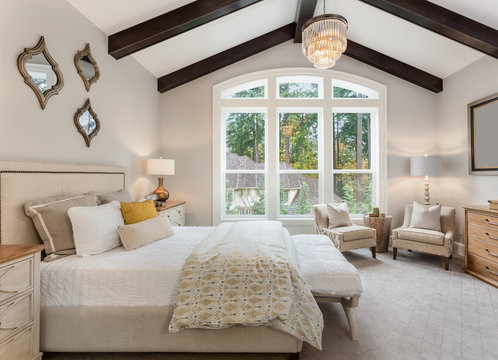
Building Equity Through Home Expansion
One of the strongest financial arguments in favor of a room addition is the potential to increase property value. Adding usable square footage often improves a home’s market appeal, especially when the new space addresses common buyer needs. Additional bedrooms, expanded living areas, and flexible family spaces can contribute positively to future resale opportunities.
Not every renovation delivers the same return on investment, but well-planned additions generally perform better than many cosmetic upgrades. According to the Remodeling Magazine Cost vs Value Report, strategic home improvements can recover a substantial portion of their costs through increased property value. While exact returns vary by location and market conditions, expanded living space remains one of the more valuable improvements homeowners can make.
A room addition may also enhance day-to-day quality of life while simultaneously increasing equity. Unlike many household expenses that provide temporary benefits, home expansions often deliver long-term utility and financial value. Families can enjoy the improved space immediately while potentially benefiting from increased resale potential in the future.
Central Point Homes designs additions with both functionality and long-term value in mind. Their projects are intended to integrate naturally with the existing structure, creating a cohesive appearance that feels original rather than added later. This attention to detail can positively influence both homeowner satisfaction and market perception.
The Emotional Cost of Leaving a Neighborhood
Financial considerations are important, but homeowners should not overlook the emotional and lifestyle impacts of moving. Established neighborhoods often provide a sense of stability that extends beyond the physical structure itself. Families build relationships with neighbors, become familiar with local amenities, and develop routines that contribute to daily comfort.
Children may have strong connections to nearby schools, sports programs, and friendships. Relocating can disrupt these relationships and create adjustment challenges that extend well beyond moving day. Even adults often underestimate how much their sense of community contributes to overall satisfaction and well-being.
Moving farther from work, family members, or frequently visited destinations can also affect quality of life. Increased commuting times, unfamiliar surroundings, and logistical challenges may introduce new stressors that homeowners did not anticipate. While these factors are difficult to assign a monetary value, they still influence the overall cost-benefit analysis.
Many Central Point Homes clients ultimately decide that preserving their connection to an established neighborhood is worth the investment in a room addition. By expanding their current home, they gain the space they need without sacrificing the location they already enjoy. This combination of practicality and continuity often becomes a deciding factor.
Market Conditions Can Change the Equation
Housing market conditions significantly influence whether moving or adding onto a home makes better financial sense. In a strong seller’s market, homeowners may receive attractive offers for their current property. However, they may also face higher purchase prices when searching for a replacement home. Gains from selling can quickly disappear when buying in the same competitive environment.
Mortgage rates are another critical factor. Homeowners who secured historically low rates in previous years may find that purchasing a new home today results in significantly higher monthly payments. Even if the replacement property is only moderately larger, financing costs can dramatically increase long-term housing expenses.
Limited inventory can further complicate relocation plans. Finding a home that satisfies all space requirements, location preferences, and budget constraints may take longer than expected. This uncertainty often encourages homeowners to explore alternatives that provide greater control over the outcome.
Central Point Homes has seen many clients choose additions specifically because market conditions made moving less attractive. Instead of competing for limited inventory and accepting higher borrowing costs, homeowners invest directly into their existing property. This strategy often produces a more predictable financial result.
Which Types of Room Additions Deliver the Most Value?
Certain types of additions tend to provide stronger long-term value than others. Primary suite expansions, additional bedrooms, family rooms, and multigenerational living spaces often appeal to a broad range of future buyers. These improvements address practical needs that remain relevant across different household types.
Home offices have also become increasingly valuable due to the growth of remote and hybrid work arrangements. Dedicated workspace can improve productivity while adding functionality that many modern buyers actively seek. Flexible spaces capable of serving multiple purposes often provide the greatest versatility over time.
Kitchen expansions frequently rank among the most desirable home improvements. A larger, more functional kitchen can improve daily living while enhancing overall market appeal. Because kitchens often serve as central gathering spaces, investments in this area tend to provide both lifestyle and financial benefits.
Central Point Homes works with homeowners to identify additions that align with their current needs while also supporting future resale value. Their collaborative planning process focuses on creating spaces that remain useful for years to come rather than chasing short-term trends. This balanced approach helps maximize return on investment.
A Look at the Central Point Homes Process
One reason homeowners hesitate to pursue additions is uncertainty about the construction process itself. Concerns about timelines, budgeting, permits, and project management can make expansion feel overwhelming. Having an experienced builder involved from the beginning helps simplify these challenges and creates a more organized experience.
Central Point Homes begins each project by understanding how homeowners use their space today and how those needs may evolve in the future. This planning phase allows the team to recommend solutions that address immediate concerns while supporting long-term goals. Rather than applying a one-size-fits-all approach, every project is tailored to the property and family.
Design development focuses on creating additions that blend naturally with the existing home. Architectural consistency, functional flow, and structural integrity remain priorities throughout the process. Homeowners benefit from spaces that feel intentional rather than disconnected from the original structure.
Construction management is equally important. Central Point Homes coordinates permitting, scheduling, materials, and communication to help keep projects moving efficiently. Their commitment to transparency allows homeowners to remain informed throughout every phase, reducing uncertainty and building confidence in the process.

Comparing Long-Term Financial Outcomes
Room Addition vs Moving: Which Makes More Financial Sense is ultimately a question that requires looking beyond immediate costs and considering long-term financial outcomes.
When evaluating room addition versus moving, homeowners should consider long-term outcomes rather than focusing exclusively on immediate expenses. Moving often creates a complete reset of housing costs, including new mortgage terms, taxes, insurance adjustments, and transaction fees. These recurring expenses can significantly influence financial health over time.
A room addition, while requiring a substantial upfront investment, typically allows homeowners to retain existing mortgage terms. For households with favorable interest rates, this advantage alone can represent substantial savings over the life of the loan. Maintaining lower monthly housing costs may create greater financial flexibility in the future.
Property appreciation should also be considered. Improvements that increase usable square footage often contribute positively to resale value. While no renovation guarantees a specific return, additions generally enhance both functionality and marketability. Homeowners benefit from the space immediately while potentially strengthening their property’s future appeal.
Central Point Homes encourages clients to evaluate expansion projects as long-term investments rather than short-term expenses. By considering both lifestyle improvements and financial outcomes, homeowners can make decisions that align with their broader goals. This perspective often reveals advantages that are not immediately obvious during initial budgeting discussions.
Conclusion
The question of Room Addition vs Moving: Which Makes More Financial Sense does not have a universal answer because every homeowner faces different financial and lifestyle considerations. Every homeowner faces unique circumstances involving budget, family needs, property conditions, and market dynamics. However, when all costs are considered, many families discover that expanding their existing home offers greater value than relocating. The ability to gain additional space while avoiding major transaction expenses can create meaningful financial advantages.
Moving may still be the right choice for some households, particularly when location changes are necessary or existing properties cannot accommodate expansion. Yet for many Washington homeowners, a thoughtfully designed room addition provides the space they need without sacrificing the community, routines, and relationships they have already built. This balance of practicality and continuity is often difficult to replicate through relocation.
A successful addition requires careful planning, realistic budgeting, and experienced project management. Homeowners who work with trusted professionals are better positioned to avoid common pitfalls and maximize the value of their investment. Taking the time to evaluate all available options thoroughly can lead to more confident decision-making. When carefully evaluated, the answer to Room Addition vs Moving: Which Makes More Financial Sense often depends on the homeowner’s long-term goals, current mortgage situation, and future plans for the property.
If you are weighing the costs of moving versus expanding your current residence, Central Point Homes can help you explore the possibilities. Their team specializes in creating customized additions that enhance both functionality and long-term value. By transforming existing homes to meet evolving needs, Central Point Homes helps families invest in the future without leaving behind the place they already call home.
External Links
- Consumer Financial Protection Bureau
- National Association of Realtors
- Remodeling Magazine Cost vs Value Report