Skip to content

After a house fire, homeowners are asked to make major decisions while dealing with disruption and uncertainty. Fire damage restoration Kalama WA work begins with site safety and professional evaluation—not with choosing new finishes. Heat, smoke, water and firefighting access can affect areas far beyond the visibly burned room.
Central Point Homes provides fire and structural restoration services. These seven decisions help clarify whether a home can be repaired in place, needs partial reconstruction or should be rebuilt more extensively.

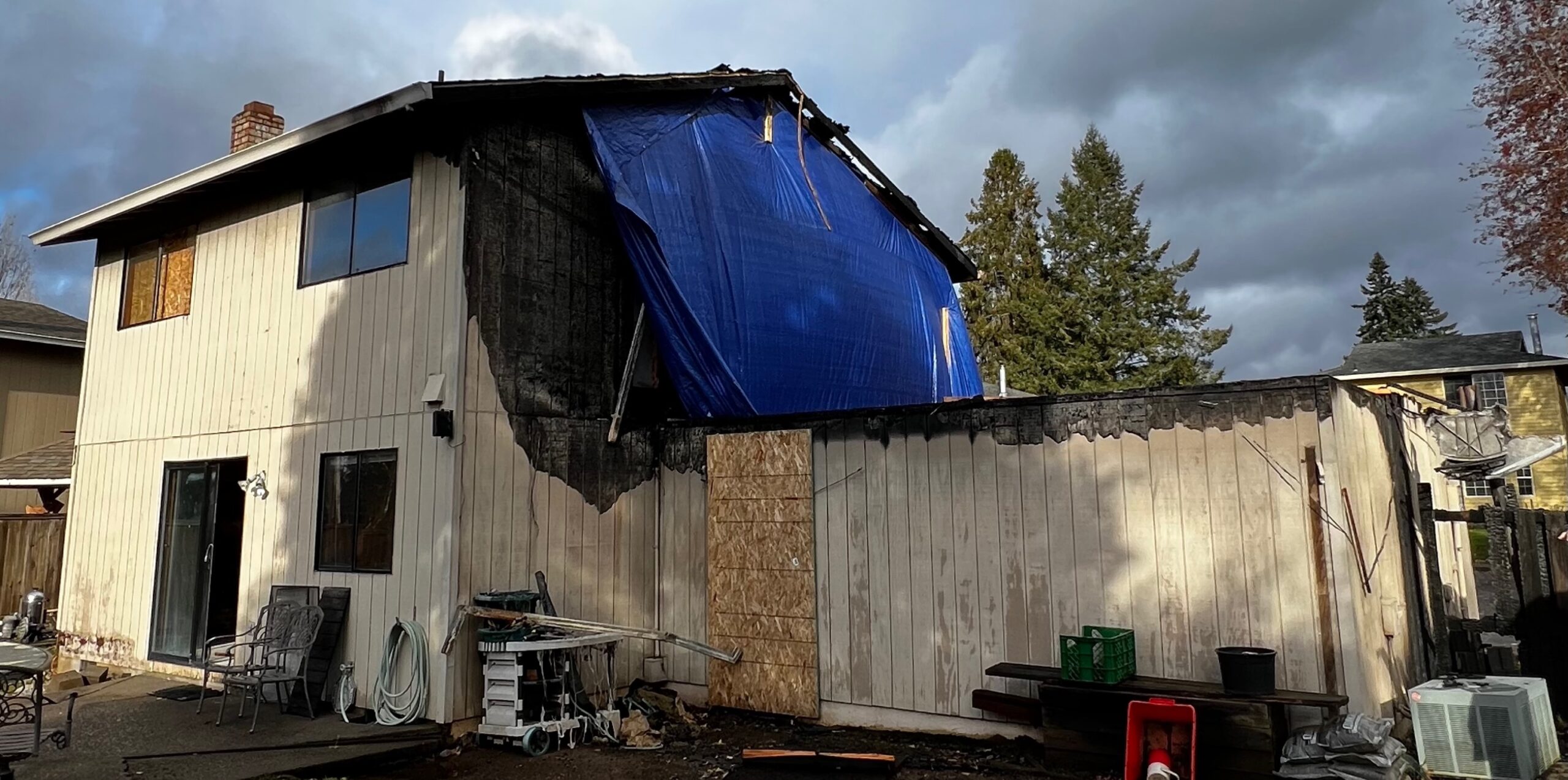
Featured image – Fire damage restoration Kalama WA property requiring structural evaluation. Image source: Central Point Homes
1. Is the Property Safe to Enter?
Do not enter until fire officials or qualified professionals indicate it is safe. Damaged roofs, floors, walls, utilities and hazardous debris can create serious risks. Temporary fencing, board-up, roof covering or shoring may be needed to protect people and the structure. Utilities should be controlled by the appropriate provider or licensed trade. Safety documentation and restricted access also protect the insurance investigation and prevent additional weather or vandalism damage.
2. What Did Heat Do to the Structure?
Charred wood is visible, but heat can also reduce strength in concealed framing, connectors, steel and engineered components. Water used during suppression adds load and moisture. A structural assessment should identify what can remain, what requires repair and what must be removed. Selective demolition may be needed to expose connections. Fire damage restoration Kalama WA decisions should be based on engineering and verified conditions rather than appearance alone.
3. How Far Did Smoke and Soot Travel?
Smoke moves through door gaps, wall cavities, ducts and attic spaces. Different materials and fire conditions create residues that require specific cleaning methods. Porous finishes, insulation and contents may hold odor even when they are not visibly black. The restoration plan should define containment, cleaning, removal and verification. Simply sealing or repainting without addressing residue can allow odors and contamination to return, especially during warm or humid conditions.
4. What Water and Weather Damage Occurred?
Firefighting water, open roofs and damaged windows can create a second loss. Wet insulation, subfloors and wall cavities need drying and evaluation. Temporary protection should be installed quickly without trapping moisture. If the structure remains exposed through a wet season, the team must monitor drainage and interior conditions. The reconstruction decision should account for both fire and water damage so the scope does not underestimate concealed deterioration.

5. What Does the Insurance Scope Actually Cover?
The homeowner, adjuster and contractor may use different descriptions for the same work. Request a detailed scope showing demolition, cleaning, temporary protection, code-related work, reconstruction and contents responsibilities. Identify deductibles, limits and approval procedures. Upgrades, layout changes or premium finishes should be separated from covered like-kind repairs. Keep records of meetings, estimates and decisions. Clear documentation helps prevent the project from advancing on assumptions that later become disputes.
6. Can the Existing Layout Be Restored Efficiently?
When a large portion of the interior is open, homeowners may consider improving circulation, storage or room relationships. That can be worthwhile, but redesign affects permits, engineering, utilities, budget and insurance separation. First establish the cost and feasibility of restoring the existing layout. Then compare optional changes with transparent pricing. A fire should not pressure a household into an unplanned dream remodel, but reconstruction can be an opportunity to correct known problems when decisions are deliberate.
7. Is Partial Reconstruction or Full Rebuilding More Rational?
The answer depends on structural loss, smoke penetration, water damage, code requirements, foundation condition and the amount of the house that can remain. Preserving isolated sections is not always economical if connections and systems become unusually complex. Conversely, extensive demolition should not be assumed when sound assemblies can be cleaned and repaired. A side-by-side scope comparison should include schedule, design, permits, temporary housing implications and long-term durability.
Permits, Code Updates and Reconstruction Documents
Major reconstruction requires coordinated drawings, engineering and trade permits. Current code may affect insulation, structural connections, alarms, electrical work and other systems even when the goal is to restore the previous home. The permitting authority determines the applicable requirements for the approved scope. Central Point Homes can coordinate this work and connect it with home remodeling in Kalama when homeowner-funded improvements are included.
Choose a Team That Can Manage the Full Transition
Fire projects move through emergency stabilization, investigation, cleaning, design, permitting and construction. Fragmented handoffs can lose information about what was removed and why. Ask who documents existing conditions, coordinates engineers and trades, communicates with the insurer and manages changes. A contractor should be transparent about uncertainty and should not promise a final cost before concealed damage and scope boundaries are understood.
Rebuild for Resilience Where Practical
Reconstruction may allow better shutoffs, alarms, electrical organization, exterior clearances, drainage or fire-resistant details, depending on the cause and property. Prioritize measures that address the actual vulnerability rather than adding unrelated features. Document concealed work with photographs and keep product and maintenance information. The goal is a home that is safe and durable, with a clear record of how damaged assemblies were evaluated and replaced.
Questions to Ask Before Approving the Scope
Ask who is responsible for design, engineering, permit coordination, field supervision, schedule updates and change documentation. Request a written description of exclusions and allowances, not only a total price. Confirm how existing conditions will be investigated and how concealed discoveries will be priced. For a fire damage restoration Kalama WA project, the strongest proposal explains both the finished result and the work required behind it. Homeowners should understand which decisions are final, which remain allowances and what information could still change the budget or schedule. Also ask how the team protects occupied portions of the home, controls dust and noise, secures the site and communicates decisions that affect cost or completion dates.
What a Complete Contractor Proposal Should Include
A useful proposal for fire damage restoration Kalama WA should be detailed enough to compare scope rather than price alone. Look for a description of demolition, structural work, building-envelope details, plumbing, electrical, mechanical systems, insulation, finishes, cleanup and closeout. The proposal should identify owner selections, allowances, exclusions, permit fees and assumptions about existing conditions. It should also explain payment milestones, change-order procedures, warranties and the documentation provided at completion. A low number can become expensive when important work is omitted or assigned to an unclear allowance. Compare whether each bidder has included the same level of design, supervision and trade coordination. When proposals differ, ask for written clarification before signing so the contract reflects the project you actually expect to build.
Why Preconstruction Is Part of the Project
Preconstruction is where a fire damage restoration Kalama WA concept becomes a buildable plan. Site measurements, existing-condition investigation, code research, engineering, product decisions and permit requirements reveal constraints before crews are mobilized. This phase also allows the contractor to sequence long-lead materials, coordinate specialty trades and establish realistic access and protection plans. Rushing directly into construction can shift unresolved questions into the field, where changes are more disruptive and costly. A well-managed preconstruction process does not eliminate every surprise, particularly in an existing building, but it reduces avoidable uncertainty. Homeowners should expect clear milestones for design approval, selections, pricing updates, permit submission and construction readiness. The result is a scope that is easier to understand, schedule and execute.
Project Planning Checklist
- Wait for official or professional clearance before entry.
- Secure the site and control utilities.
- Obtain structural and smoke-damage assessments.
- Document fire, water and weather exposure.
- Request a detailed insurance scope.
- Separate covered restoration from optional upgrades.
- Compare repair, partial rebuild and full rebuild scopes.
- Verify permit and code requirements.
- Keep records and photographs of concealed reconstruction.
Frequently Asked Questions
Can smoke damage exist in rooms that did not burn?
Yes. Smoke and soot can travel through openings, ducts, attics and wall cavities.
Can charred framing be repaired?
Sometimes, but a qualified structural evaluation is needed to determine remaining capacity and repair methods.
Why does fire restoration include water drying?
Suppression water and weather exposure can wet assemblies and create additional damage or mold risk.
Will insurance pay for a new layout?
Insurance commonly addresses covered restoration. Layout upgrades may be homeowner-funded; confirm the policy and scope.
Who decides whether the home is rebuilt?
The decision involves safety officials, engineers, the insurer, permitting authorities, contractor findings and the homeowner’s goals.
Plan the Project With Central Point Homes
A responsible fire damage restoration Kalama WA plan replaces urgency with documented decisions. Speak with Central Point Homes about stabilization, reconstruction and a clear path forward.
External Sources
- American Red Cross – Steps After a Home Fire
- FEMA – Returning Home After a Fire
- U.S. EPA – Lead-Safe Renovation, Repair and Painting
Image Credits
- Fire damage restoration Kalama WA property requiring structural evaluation – Central Point Homes website
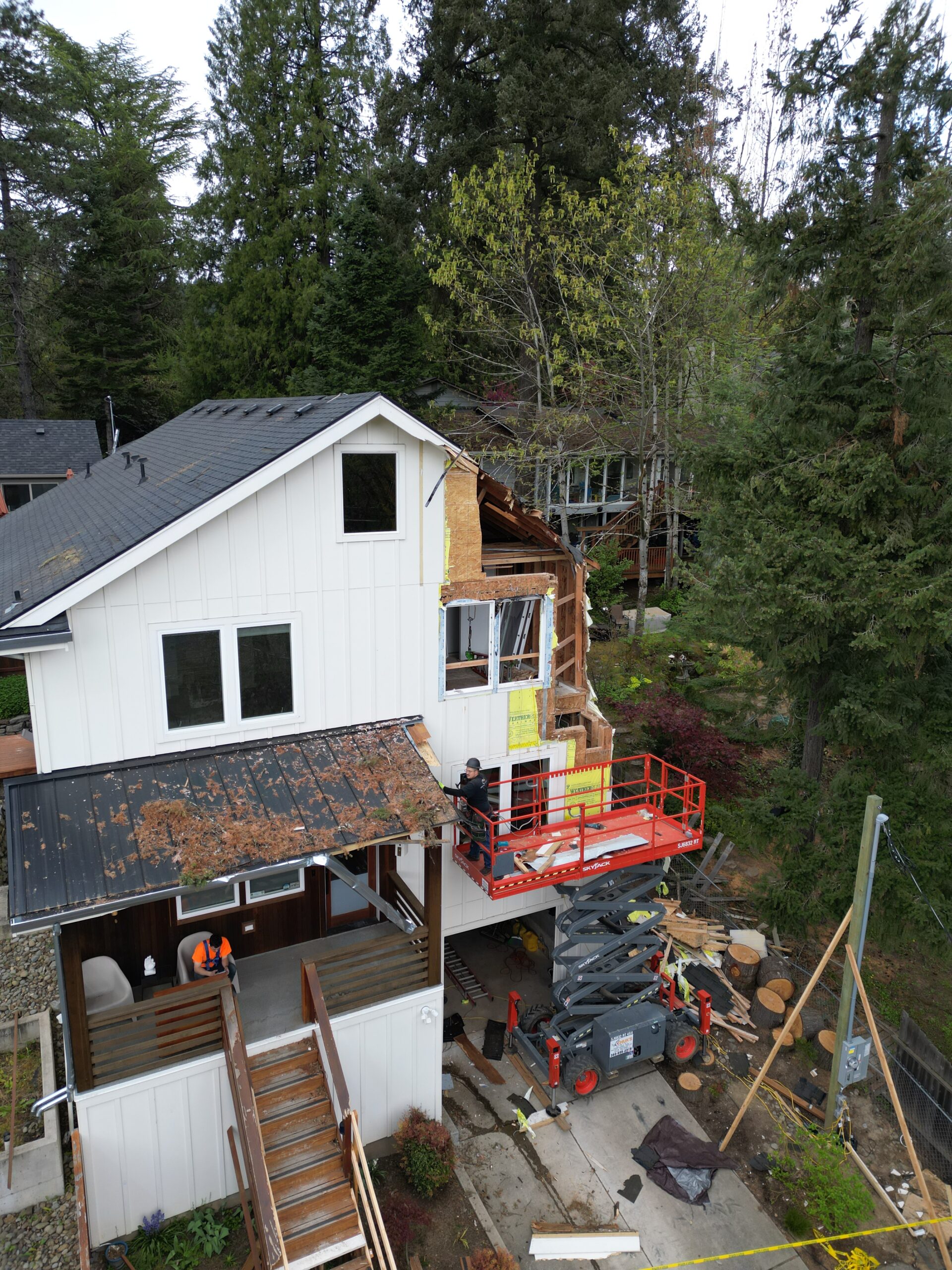
- Reconstruction crew completing structural restoration work after major damage – Central Point Homes website